
Multi-tenancy that passes security review.
Isolation enforced at the database layer, organisation hierarchies, granular roles, SSO and audit logs — the requirements enterprise buyers check before they sign.
- Tenant isolation
- SSO & RBAC
- Data residency
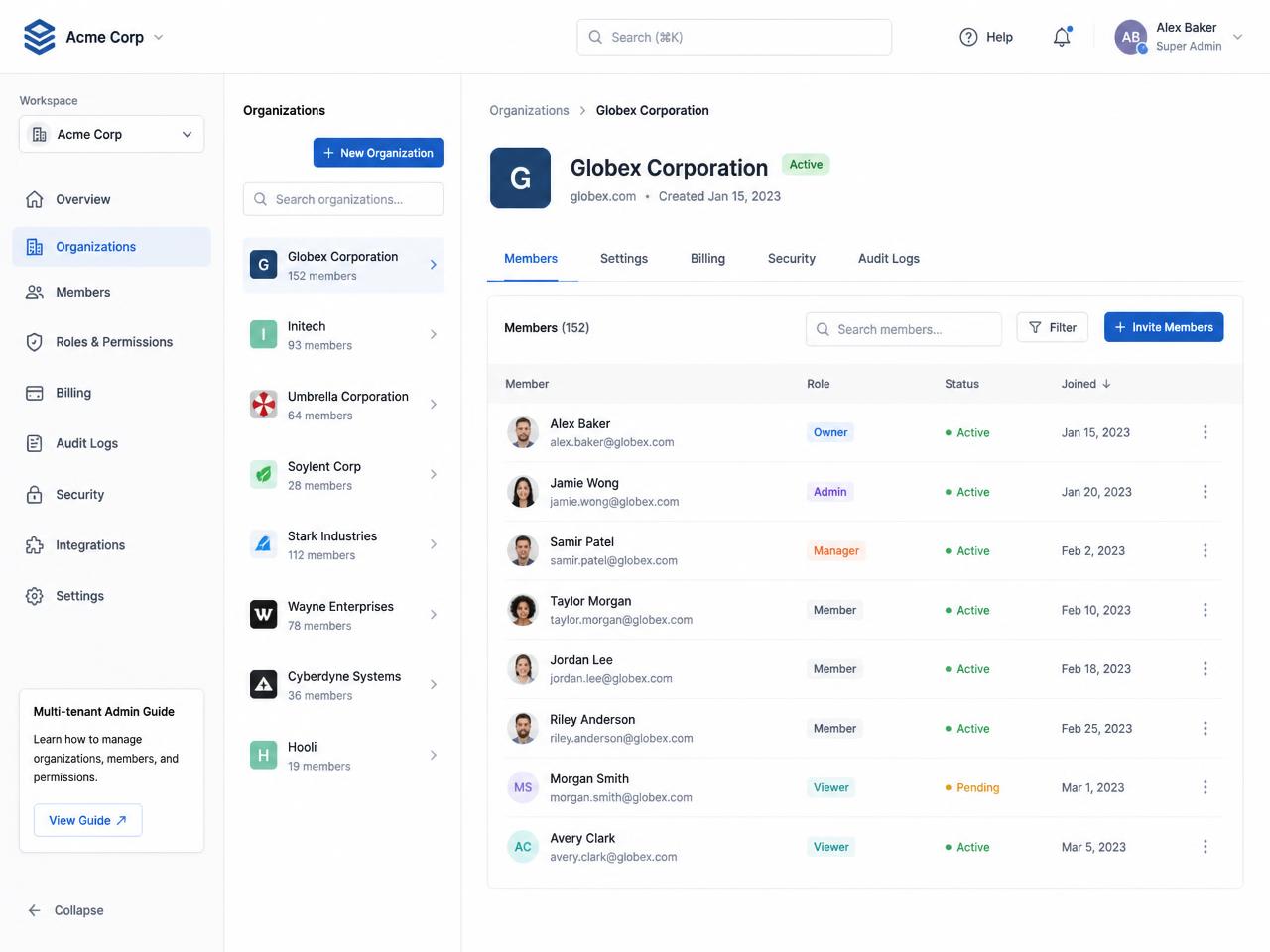
Tenant isolation, org hierarchies and enterprise controls done correctly the first time.
Isolation is an architecture decision, not a filter.
Tenant leakage almost always comes from a query that forgot a where clause. We enforce isolation below the application layer so a single mistake cannot expose another customer's data.
Why it matters
Tenant isolation is the one architectural decision that is nearly impossible to change later. Getting it wrong risks data leaking between customers.
What we build
Multi-tenant architectures with row-level or schema isolation, organisation and team hierarchies, SSO, per-tenant configuration and provisioning automation.
Who it is for
B2B SaaS platforms serving organisations, marketplaces, and companies with enterprise customers demanding isolation and SSO.
What we handle from strategy to delivery.
Six areas we take responsibility for on multi-tenant platforms engagements — no handoff gaps between them.
- 01
Tenancy modelling
Shared, schema-per-tenant or isolated database, chosen deliberately.
- 02
Isolation & security
Row-level security, scoped queries and defence in depth.
- 03
Organisations & roles
Teams, invitations, hierarchies and granular permissions.
- 04
Enterprise authentication
SSO, SAML, SCIM provisioning and domain capture.
- 05
Per-tenant configuration
Feature flags, branding, limits and custom domains.
- 06
Operations & provisioning
Automated onboarding, migrations and tenant-level observability.
Standards we hold every multi-tenant platforms project to.
- Strict isolation
- Enforced at the database
- Enterprise SSO
- SAML and SCIM ready
- Per-tenant config
- Flags, limits, branding
- Automated onboarding
- Provisioning without manual steps
From first conversation to a product that is ready to grow.
01 — Discover
We clarify the business model, pricing and the customers the platform has to serve on day one.
We review requirements, existing analytics, competitors and user needs to understand where multi-tenant platforms will create the most value. Nothing is proposed before the problem is clear.
Deliverables
- Product scope
- Pricing and plan model
- Success metrics
Typical activities
- Founder workshop
- Market and competitor review
- Requirement capture
Success criteria
A clear, shared understanding of the problem, scope and expected outcome.
02 — Define
We settle tenancy, data model and environments — the decisions that are expensive to change later.
We turn research into a clear product direction, priorities and information architecture. Scope, sequencing and technical direction are agreed in writing before work starts.
Deliverables
- Architecture document
- Data model
- Release plan
Typical activities
- Technical design
- Security review
- Estimation
Success criteria
Everyone understands what is being built, in what order, and why.
03 — Design
We design onboarding, core workflows and admin tooling as one connected experience.
We translate the agreed structure into a polished, responsive interface — every state, breakpoint and edge case included, reviewed together as we go.
Deliverables
- Key screens
- Onboarding flow
- Component set
Typical activities
- Flow design
- Interface design
- Prototype review
Success criteria
The experience is validated and ready for implementation.
04 — Build
We implement the platform in vertical slices so working software is reviewable every week.
We turn approved designs into production-ready software using maintainable components and a scalable architecture. You see working software throughout, not just at the end.
Deliverables
- Production implementation
- Billing integration
- Admin tooling
Typical activities
- Iterative development
- Integration work
- Code review
Success criteria
The product works reliably across the required devices and scenarios.
05 — Validate
We test billing, permissions and limits — the paths where failures directly cost revenue.
We test the product against the real requirements, profile performance and surface issues before launch rather than after it.
Deliverables
- Test coverage report
- Billing test matrix
- Security checks
Typical activities
- Automated testing
- Permission testing
- Load testing
Success criteria
Critical issues are resolved and the product is ready for launch.
06 — Launch
We deploy with monitoring, usage analytics and a prioritised post-launch backlog.
We deploy, review the built product in production and refine the details that only appear in the real thing. Monitoring and handover happen at the same time.
Deliverables
- Production environment
- Analytics and alerting
- Handover documentation
Typical activities
- Go-live support
- Monitoring setup
- Iteration planning
Success criteria
The product is live, verified, documented and ready for users.
Everything handed over, nothing locked away.
Concrete output at the end of a multi-tenant platforms engagement — code, assets and documentation you own.
The stack we reach for first.
Chosen per project constraints — this is the starting point, not a rule.
Backend
- Node.js
- Keycloak
Data
- PostgreSQL
- Row Level Security
Delivery
- Terraform
- AWS
SaaS platforms built to scale.
Selected projects built with the same approach, team and standards.

AI Background Remover SaaS
SmartBG Remover
A subscription SaaS that removes image backgrounds in seconds, with batch processing and an API for developers.
- Next.js
- Python
- AWS
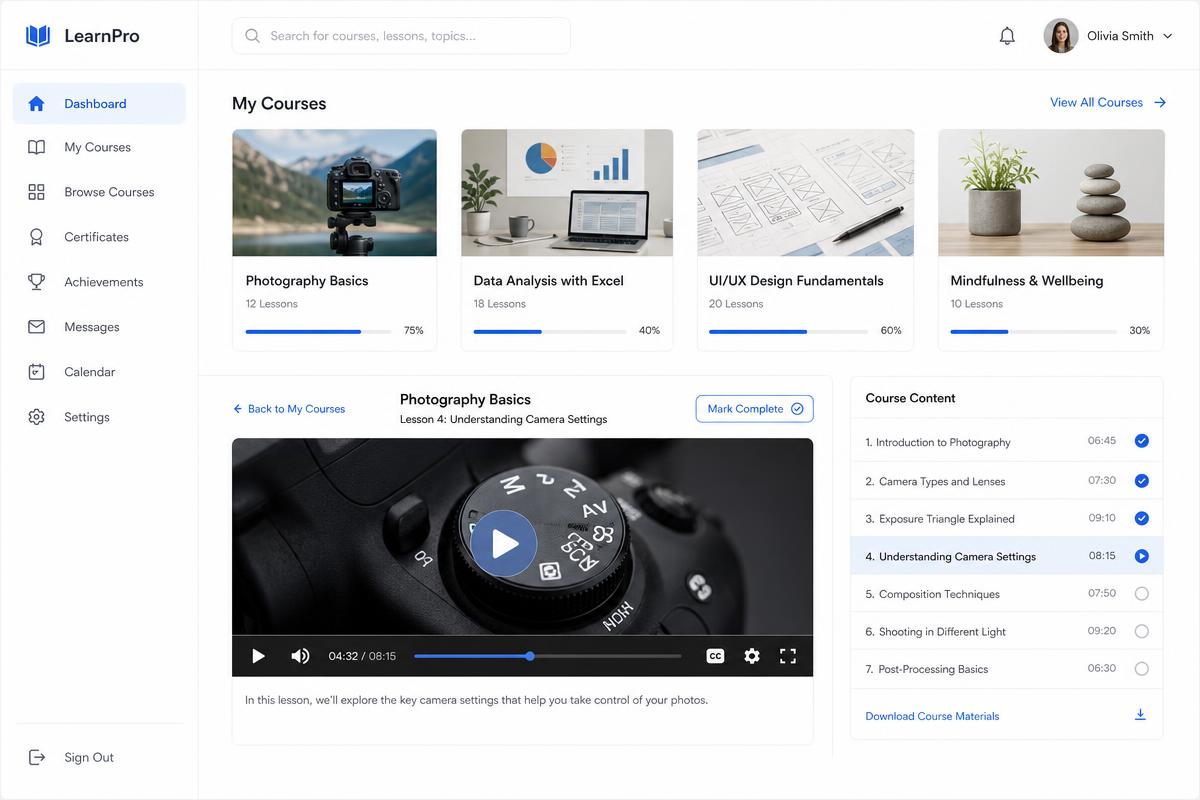
Online Learning Solution
E-Learning Platform
A course platform with video lessons, progress tracking, assessments and instructor analytics.
View project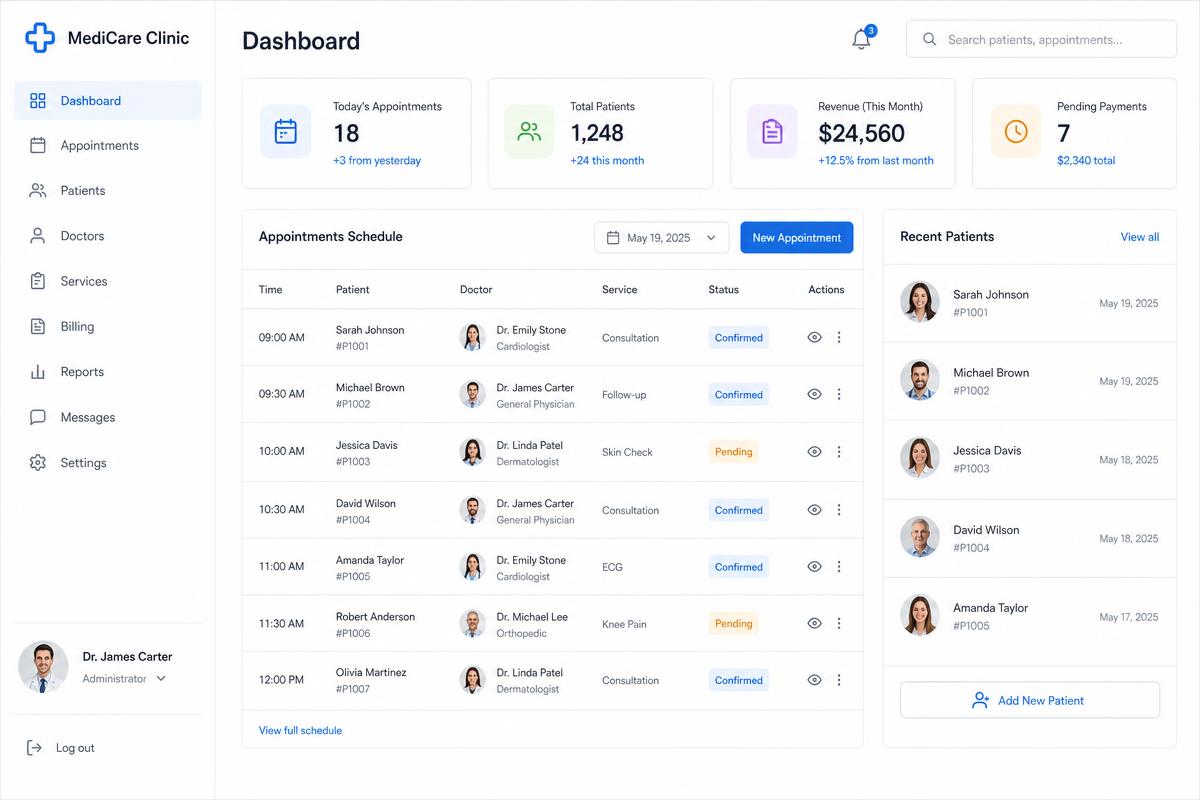
Doctor's Management System
Pocket MD
A clinic management system covering appointments, patient records, prescriptions and billing in one workspace.
View projectOutcomes, not just output.
Clients stay because the work reduces risk and cost after launch, not only because it looks good at handover.
- 01
Less rework
Tenancy is decided with a migration path, not by default.
- 02
Faster decisions
Enterprise requirements mapped before they block a deal.
- 03
Better performance
Noisy-neighbour risks handled with limits and pooling.
- 04
Clear handoff
Documented isolation model and security posture.
- 05
Long-term thinking
Ability to move a large tenant to dedicated infrastructure.
Questions we get asked.
Still unsure about something on multi-tenant platforms? Ask us directly — we answer honestly, even when the answer is no.
Shared with row-level security suits most products; we recommend isolated databases when contracts or regulation demand it.
Yes. We audit the existing data access paths, then migrate in stages with automated tests proving isolation.
SAML and OIDC with SCIM provisioning are standard parts of this work.
Shared with row-level security suits most products; dedicated schemas or databases suit heavy enterprise requirements. We choose with you.
Yes, with a staged migration plan, data backfill and verified cutover.
Yes — SAML, OIDC and SCIM provisioning for enterprise customers.
Automated tests that attempt cross-tenant access, plus database-level policies and audit logs.
Often delivered together.
SaaS Products
End-to-end SaaS builds from first version to a product with paying customers.
View serviceAPI Development
Versioned, documented APIs and webhooks that other teams can build against.
View serviceCustom Software
Bespoke systems for workflows that off-the-shelf tools cannot model correctly.
View service
Ready to build something better?
Tell us what you are trying to build. We'll help you figure out the right next step — scope, sequence and what it realistically takes.
Have a project in mind?
Let’s build something amazing together.
Stay in the loop.
Get useful insights on technology, digital products, AI and web development delivered to your inbox.