
Native iOS apps that feel native.
Swift and SwiftUI apps that respect Apple's interaction patterns, handle poor connectivity gracefully and pass review the first time.
- Swift & SwiftUI
- App Store release
- Offline support
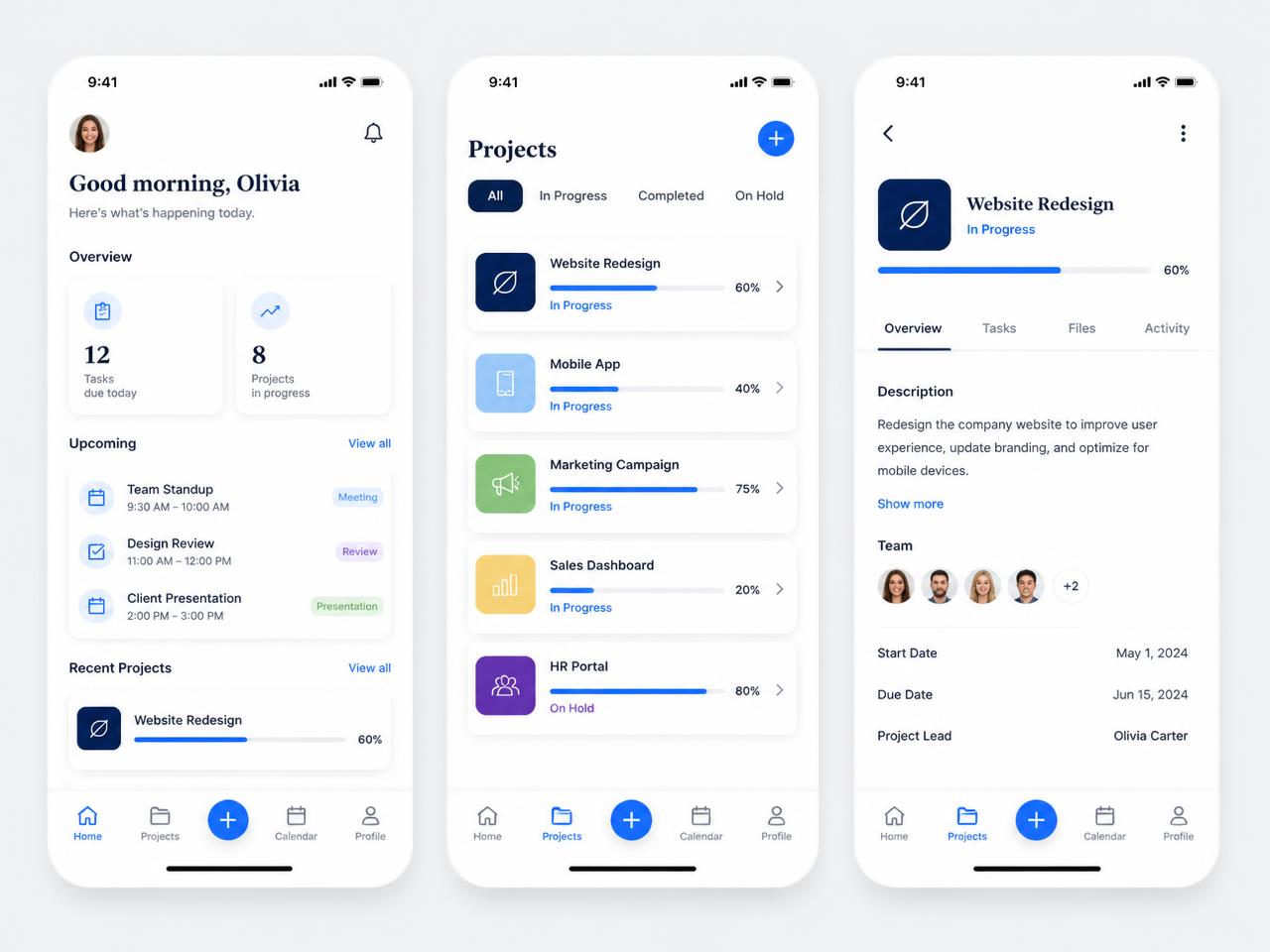
Native iOS apps built to Apple's guidelines, from first build to App Store release.
Built for the platform, not ported to it.
iOS users notice when an app fights the platform. We use system navigation, gestures, typography and accessibility affordances rather than reinventing them.
Why it matters
iOS users expect platform-native behaviour, and App Review is unforgiving. Building on Apple's own frameworks avoids the compromises that make an app feel borrowed.
What we build
Native SwiftUI applications, offline-first experiences, subscriptions and in-app purchases, widgets, notifications and App Store release management.
Who it is for
Consumer products with a design-led audience, subscription businesses, and companies whose users are predominantly on iPhone or iPad.
What we handle from strategy to delivery.
Six areas we take responsibility for on ios app development engagements — no handoff gaps between them.
- 01
Product & platform discovery
Feature scope mapped against Apple's guidelines and review rules.
- 02
Native interface development
SwiftUI screens, gestures, dark mode and dynamic type.
- 03
Offline & data sync
Local persistence with conflict-aware synchronisation.
- 04
Payments & subscriptions
StoreKit purchases, entitlements and restore flows.
- 05
Testing & instrumentation
Unit and UI tests, crash reporting and TestFlight cycles.
- 06
Release & App Store support
Submission, metadata, review responses and phased rollout.
Standards we hold every ios app development project to.
- Native performance
- 60fps interactions
- Offline capable
- Works without a connection
- Store approved
- Guideline-compliant submissions
- Accessible
- VoiceOver and dynamic type
From first conversation to a product that is ready to grow.
01 — Discover
We map the target devices, user context and platform requirements before committing to an approach.
We review requirements, existing analytics, competitors and user needs to understand where ios app development will create the most value. Nothing is proposed before the problem is clear.
Deliverables
- Feature scope
- Device and OS targets
- Store requirements
Typical activities
- Stakeholder workshop
- Platform review
- Requirement capture
Success criteria
A clear, shared understanding of the problem, scope and expected outcome.
02 — Define
We agree the release plan, architecture and offline behaviour so the app holds up in real conditions.
We turn research into a clear product direction, priorities and information architecture. Scope, sequencing and technical direction are agreed in writing before work starts.
Deliverables
- App architecture
- Release plan
- Data and sync model
Typical activities
- Flow mapping
- Technical design
- Estimation
Success criteria
Everyone understands what is being built, in what order, and why.
03 — Design
We design platform-native screens, states and motion rather than porting a web layout.
We translate the agreed structure into a polished, responsive interface — every state, breakpoint and edge case included, reviewed together as we go.
Deliverables
- Screen designs
- Interaction states
- Icon and store assets
Typical activities
- Wireframing
- Native pattern review
- Prototype
Success criteria
The experience is validated and ready for implementation.
04 — Build
We implement the app with clean modules, native performance and instrumented crash reporting.
We turn approved designs into production-ready software using maintainable components and a scalable architecture. You see working software throughout, not just at the end.
Deliverables
- Production build
- API integration
- Offline handling
Typical activities
- Feature development
- Device testing
- Code review
Success criteria
The product works reliably across the required devices and scenarios.
05 — Validate
We test across real devices, run beta builds and resolve issues before submission.
We test the product against the real requirements, profile performance and surface issues before launch rather than after it.
Deliverables
- Test reports
- Beta build
- Crash-free baseline
Typical activities
- Device-farm testing
- Beta feedback rounds
- Performance profiling
Success criteria
Critical issues are resolved and the product is ready for launch.
06 — Launch
We handle submission, staged rollout and post-release monitoring across the stores.
We deploy, review the built product in production and refine the details that only appear in the real thing. Monitoring and handover happen at the same time.
Deliverables
- Store submission
- Release notes
- Monitoring dashboards
Typical activities
- Review response
- Phased rollout
- Post-launch fixes
Success criteria
The product is live, verified, documented and ready for users.
Everything handed over, nothing locked away.
Concrete output at the end of a ios app development engagement — code, assets and documentation you own.
The stack we reach for first.
Chosen per project constraints — this is the starting point, not a rule.
Mobile
- Swift
- SwiftUI
- Combine
- Core Data
Data
- Firebase
Delivery
- TestFlight
Apps people keep coming back to.
Selected projects built with the same approach, team and standards.
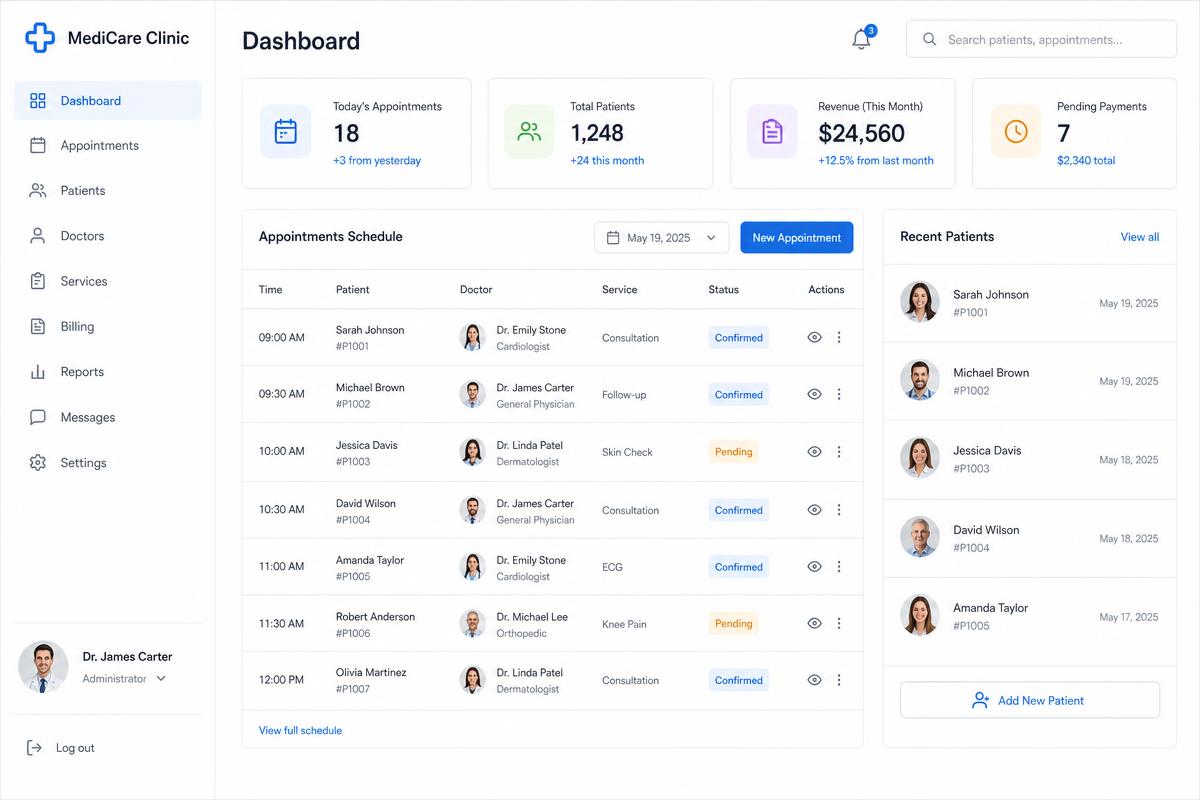
Doctor's Management System
Pocket MD
A clinic management system covering appointments, patient records, prescriptions and billing in one workspace.
- React
- Node.js
- MongoDB
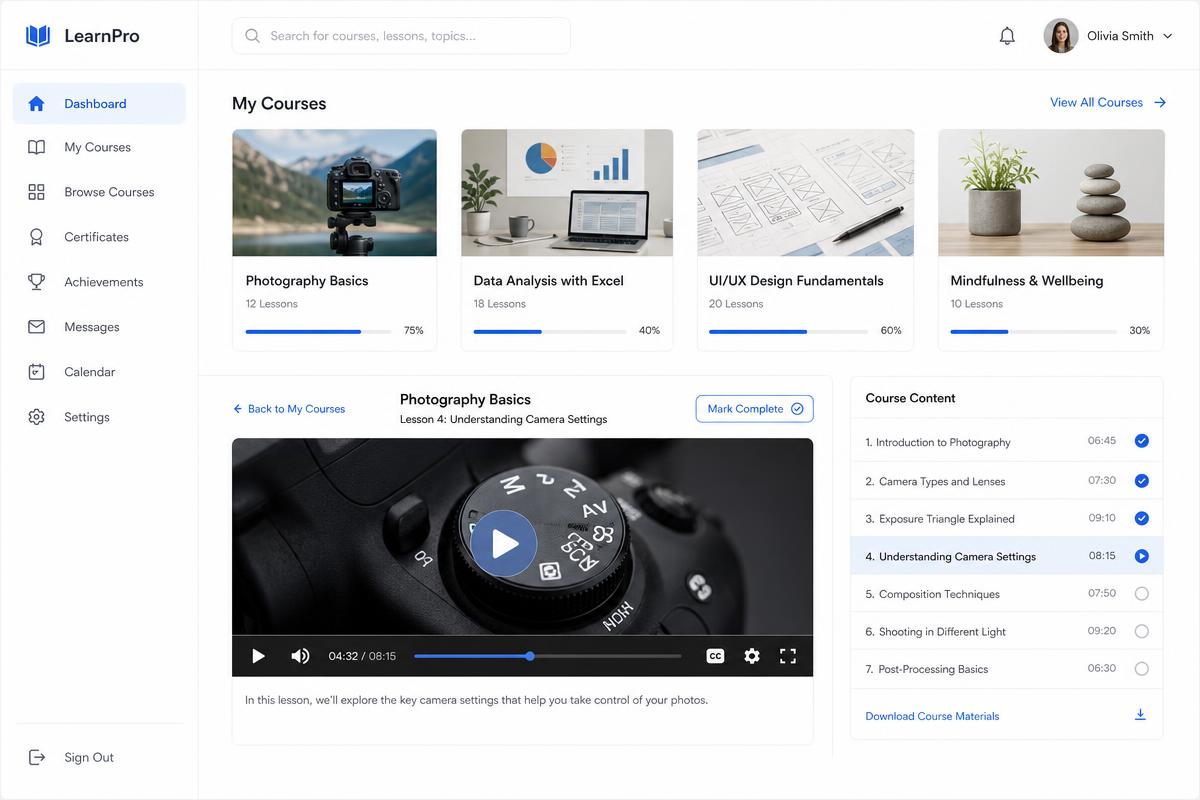
Online Learning Solution
E-Learning Platform
A course platform with video lessons, progress tracking, assessments and instructor analytics.
View project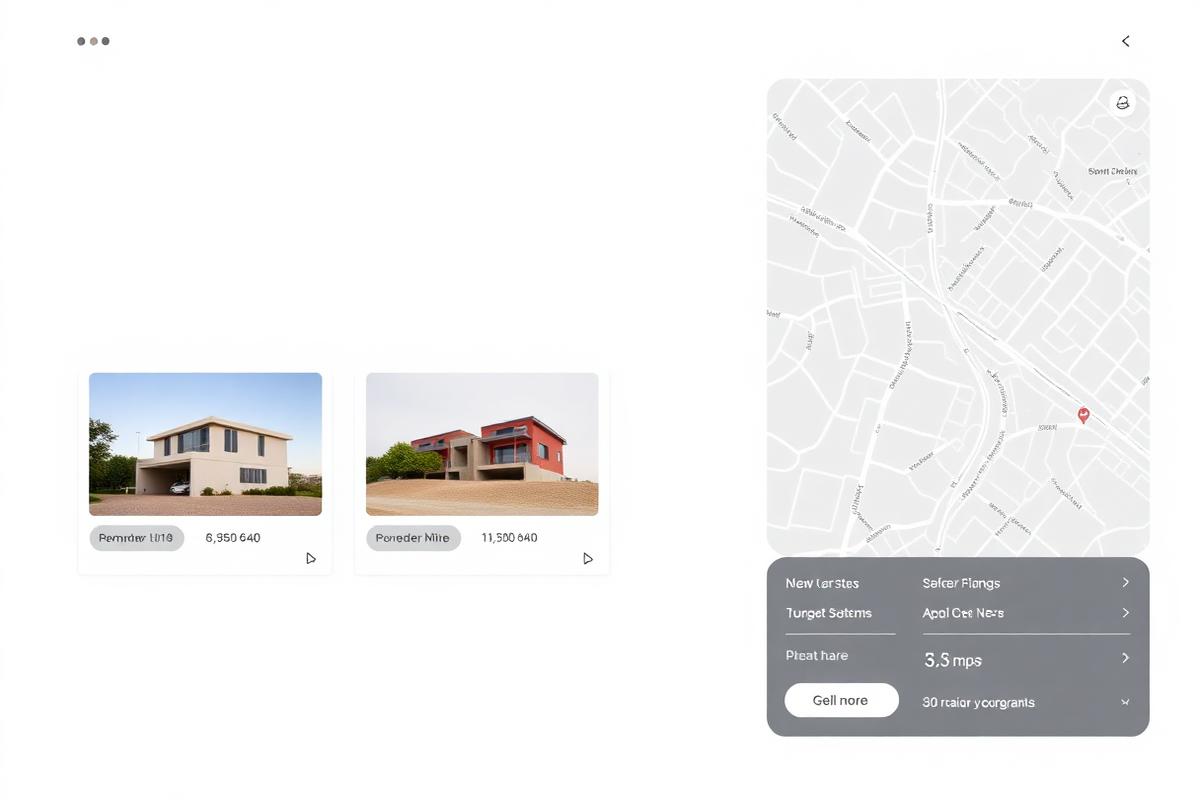
Property Listing Platform
Real Estate Platform
A property marketplace with map-based search, saved listings and an agent dashboard for lead management.
View projectOutcomes, not just output.
Clients stay because the work reduces risk and cost after launch, not only because it looks good at handover.
- 01
Less rework
Review rules are checked at design time, not at submission.
- 02
Faster decisions
TestFlight builds put real screens in stakeholders' hands early.
- 03
Better performance
Profiled on real devices, not just the simulator.
- 04
Clear handoff
Documented Swift codebase and signing setup.
- 05
Long-term thinking
Structured for the next iOS version, not just this one.
Questions we get asked.
Still unsure about something on ios app development? Ask us directly — we answer honestly, even when the answer is no.
Not necessarily. If both platforms are in scope from the start, React Native is often the better economics — we will compare both for your case.
Yes, including certificates, review guidelines, listing copy and phased release.
We offer ongoing release cycles covering OS updates, fixes and new features.
Yes. We reuse your existing APIs and design language while keeping the app natively iOS.
If iOS is the primary platform or you need deep system integration, native Swift is usually the better long-term choice.
We plan a release cadence with regression testing and staged rollouts to limit risk.
Often delivered together.
Android App Development
Native Android apps engineered for a wide device range and Play Store distribution.
View serviceReact Native
One cross-platform codebase shipping to iOS and Android without feeling generic.
View serviceProduct Design
Interface and interaction design grounded in real user tasks and business goals.
View service
Ready to build something better?
Tell us what you are trying to build. We'll help you figure out the right next step — scope, sequence and what it realistically takes.
Have a project in mind?
Let’s build something amazing together.
Stay in the loop.
Get useful insights on technology, digital products, AI and web development delivered to your inbox.